
Let's start here: you're not refusing pleasure, you're choosing it
There's a difference between "I don't want penetration" and "penetration doesn't work for me right now." Both are legitimate. Both deserve respect. But the second one often carries guilt that the first one doesn't, especially if you're in a relationship where penetration has been the default.
The thing nobody tells you is that clitoral pleasure isn't a compromise. It's not Plan B. For most people with vulvas, it's the only path to reliable orgasm. A lemon vibrator works so well precisely because it's designed around this reality, not around it.
Why penetration doesn't always fit (and that's okay)
There are a dozen legitimate reasons penetration might feel wrong right now. Maybe your pelvic floor is tight and it hurts. Maybe you've experienced trauma and your body is protecting itself. Maybe you're on a medication that makes penetration uncomfortable. Maybe your desire is present but your arousal pathway is different. Maybe you're just not in the mood, and that's enough.
Here's what I see in my practice constantly: people apologizing for their own bodies. "Sorry, I know you want..." or "I feel bad because usually I can..." Stop. Your pleasure isn't a debt you owe.
A lemon clitoral vibrator removes the expectation. It's not about what's missing. It's about what's actually there.
How lemon vibrators change the dynamic (solo or partnered)
The suction design of a lemon vibrator is revolutionary because it doesn't require penetration to feel intensely pleasurable. Suction stimulates the clitoris, the complex network of nerves around it, and the internal clitoral bulbs without any internal contact. This is neurology, not psychology.
When you're using a lemon adult toy like the Lem by yourself, you control exactly what you want. Intensity, rhythm, duration. No negotiation. No performance. No apology.
If you're with a partner, a lemon sucker becomes a conversation opener instead of a pressure point. Instead of "I don't want what you want," the dynamic shifts to "This is what works for my body." That's a different energy entirely. One partner feels desired and understood. The other feels like they matter.
Building the internal case (before you talk to your partner)
If you're partnered, you probably need to get comfortable with your own desire first. That sounds obvious, but it's not. Many people spend years contorting themselves to fit someone else's pleasure map without ever asking: what do I actually want?
Start solo. Use your lemon vibrator without an audience. Notice what intensity feels good. Notice what patterns make you come. Notice how your body responds when there's zero pressure to produce an outcome. This is data. This is your baseline. This is what you bring to the conversation.
When you know your body, you can speak from certainty instead of apology. "When I use a lemon clitoral vibrator, I can orgasm consistently" is different than "I can't do penetration anymore." One is about what you have. One is about what you're missing.
The conversation you might need to have
If your partner is used to penetration-centered sex, they might feel like you're rejecting them. That's not your job to manage, but it's worth anticipating. The reframe that usually helps: penetration wasn't intimacy. It was one specific way of being intimate. There are others.
Try this opening: "I want more of us. But my body works differently than we've been assuming. I've figured out what actually gets me there." Then show them. Use your lemon vibrator in front of them. Not as a performance. As an invitation to see what works.
Some partners will want to use it with you. Some will want to be present while you use it alone. Some will want to touch you in other ways while you're using it. All of those are intimate. None of them are second-best.
If your partner pushes back hard, if they make your pleasure feel like a problem they need to solve or a rejection they need to resent, that's a different conversation. That's a relationship question, not a vibrator question. Consider talking to someone trained in couples work.
Solo pleasure is its own valid lane
You don't need a partner's buy-in to own your own pleasure. Some people prefer solo sessions with their lemon vibrator. Some use it partnered. Some do both. There's no hierarchy.
When you're using a clitoral vibrator alone, you get to set the pace entirely around your own arousal. No rushing. No performing arousal you don't feel. No trying to come faster so someone else can relax. Just you and what your body actually needs.
Many of my clients report that their best orgasms come solo. Why? Because there's nothing to prove. Nothing to feel guilty about. Nothing to manage except sensation.
Practical setup for real results
Three things that matter when you're learning to use a lemon vibrator for clitoral pleasure:
Start with lower patterns. The Lem and similar lemon sexual toys have multiple intensity settings for a reason. Begin at the gentlest level. Your clitoris has thousands of nerve endings concentrated in a tiny area. You don't need maximum power to feel everything.
Add time. Clitoral arousal often takes longer to build than penetration pressure. Budget 15 to 25 minutes minimum. This isn't inefficiency. This is learning what your body actually needs.
Use lube. Even though lemon vibrators don't go inside, a bit of water-based lube at the entrance and around the clitoris helps the suction work better and keeps sensation smooth. It's not because something's wrong. It's because that's how the mechanics work best.
If you're partnered and want them involved, have them start it for you. Or have them touch you elsewhere while you use it. Presence matters more than penetration.
When discomfort or numbness shows up
If using your lemon vibrator feels numb or uncomfortable, you might be pushing into numbness as a protective mechanism. That's real, and it deserves attention.
Try slowing down. Reduce intensity. Reconnecting with sensation takes time. If trauma is part of your story, please consider working with a therapist who specializes in somatic release or trauma-informed sex therapy. Pleasure should feel safe, not like reclamation work.
If you're experiencing physical pain during use, that's a sign something needs adjusting. Maybe you need more foreplay. Maybe a different angle. Maybe you need to talk to a gynecologist if the pain is sharp or persistent.
Permission structures that actually help
Here's what I tell my clients: you don't need permission to want what you want. But it helps to give it to yourself anyway. Say it out loud if you need to.
"My pleasure matters as much as anyone else's." "My body's signals are valid." "I get to say what works for me." "Clitoral focus isn't a second choice." These aren't affirmations. They're facts that your nervous system needs to hear.
If you grew up in a culture or family that treated female pleasure as shameful or secondary, you might carry that silently. A lemon vibrator can't fix cultural messaging. But it can prove to your body, again and again, that pleasure is possible when you stop waiting for permission.
Try this: the next time you're about to use your vibrator, pause and notice if you're feeling guilty. Not because guilt is bad, but because it's useful information. Guilt often means you've internalized a rule that doesn't actually belong to you. Name it. Then decide if you still want to follow it.
Why this matters beyond the bedroom
When you stop apologizing for your own pleasure, other things shift. You get clearer about other boundaries. You speak up about what you need at work, at home, in friendships. Pleasure is practice for saying yes to yourself.
Lemon vibrators are toys. But they're also tools for learning that your body's yes is enough. That's bigger than any single orgasm.
People also ask
Is using a lemon vibrator instead of penetration normal?
Completely normal. Studies consistently show that most people with vulvas require clitoral stimulation to orgasm. Penetration alone rarely does it. A lemon sucker works with your neurology, not against it. You're not unusual. You're typical.
Can I use a lemon vibrator if I have a partner who wants penetration?
Yes, and you can do both. You're not choosing forever. You might use your lemon clitoral vibrator during solo sessions and have penetration with your partner other times. Or you might discover penetration doesn't work for you and that's the boundary. Either way, you get to decide what your body experiences.
Will my partner feel rejected if I don't want penetration?
Maybe. That's their feeling to work through, not yours to fix by saying yes to something that doesn't work for you. A partner who respects you will want you to experience actual pleasure, not obligation. If they don't, that's a relationship issue worth addressing.
How do I talk to my partner about not wanting penetration anymore?
Start with your own clarity. Know what you want instead. Then say it simply: "I've realized my body responds better to clitoral focus. Let's explore what that looks like for us." Invite them in. Show them. Make it about discovery, not rejection.
What if I feel numb when I use a lemon vibrator?
Numbness often means your nervous system is protecting itself. Slow down. Reduce intensity. Take breaks. If numbness persists, talk to a therapist or healthcare provider. Numbness is your body's signal that something needs to change.
Can lemon vibrators work with certain medications that affect sensation?
Yes. Medication can dull sensation, and a lemon clitoral vibrator's suction design often works better than traditional toys because it creates a different kind of stimulation. That said, talk to your prescriber if sensation loss is severe. Sometimes adjusting timing or dosage helps.
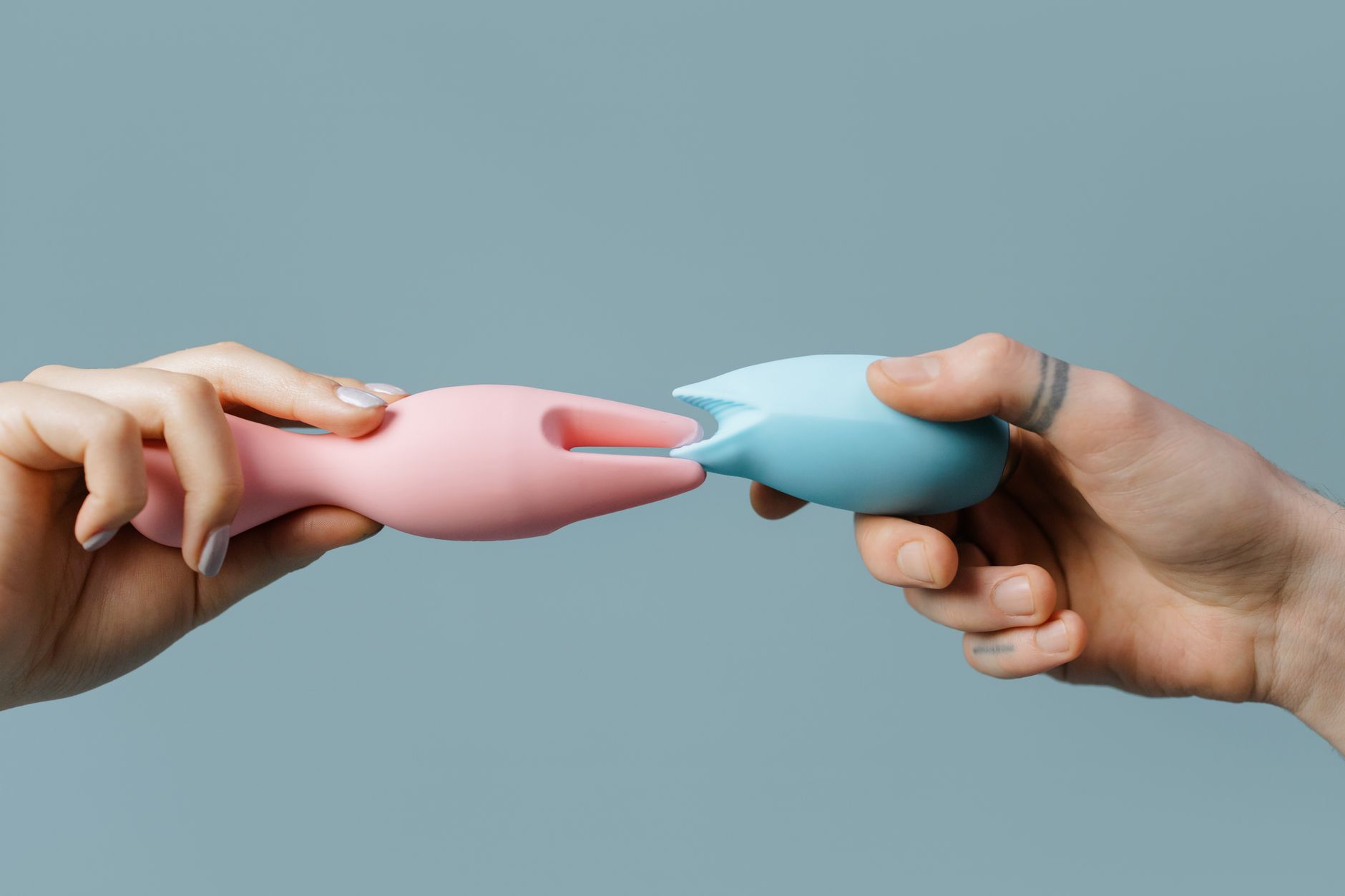 Photo by cottonbro studio on Pexels
The bottom line
You don't owe penetration to anyone. Not to a partner. Not to an idea of what sex "should" look like. Not to a cultural narrative about female sexuality that was written by people who weren't even in the room when you were discovering what your body actually needs.
A lemon vibrator gives you a clear path to pleasure without that noise. Use it. Enjoy it. Tell the people you trust that this is what works for you. And if they don't get it, that's information about them, not you.
Your pleasure matters. Full stop. If you're ready to explore what that actually means for your body, that's where everything changes.